2026 Restoration Outcomes
The 2026 Shark Bay Seagrass Restoration installation has now been completed, marking another major step forward in the community-led recovery of Shark Bay’s damaged seagrass meadows.

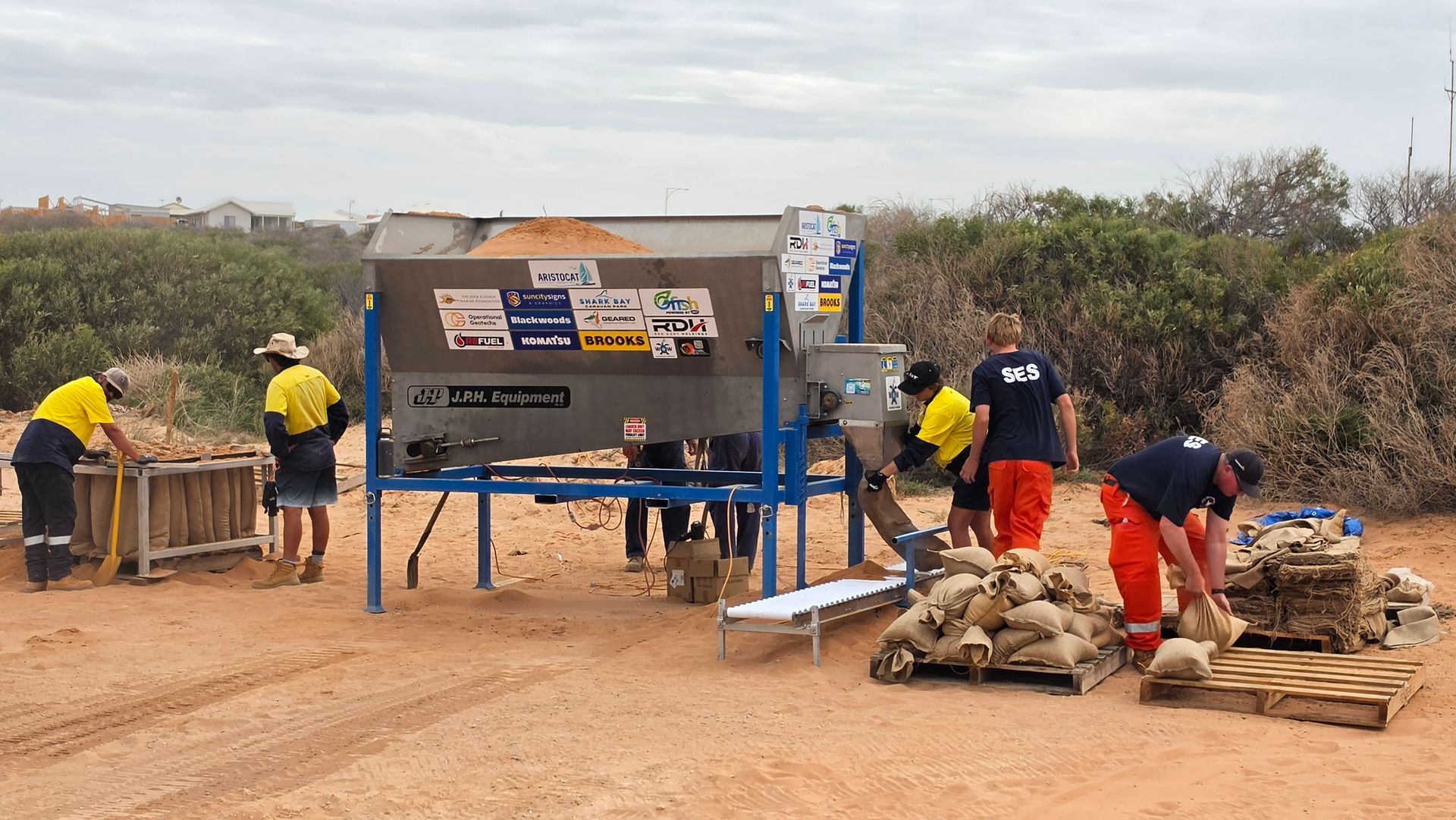
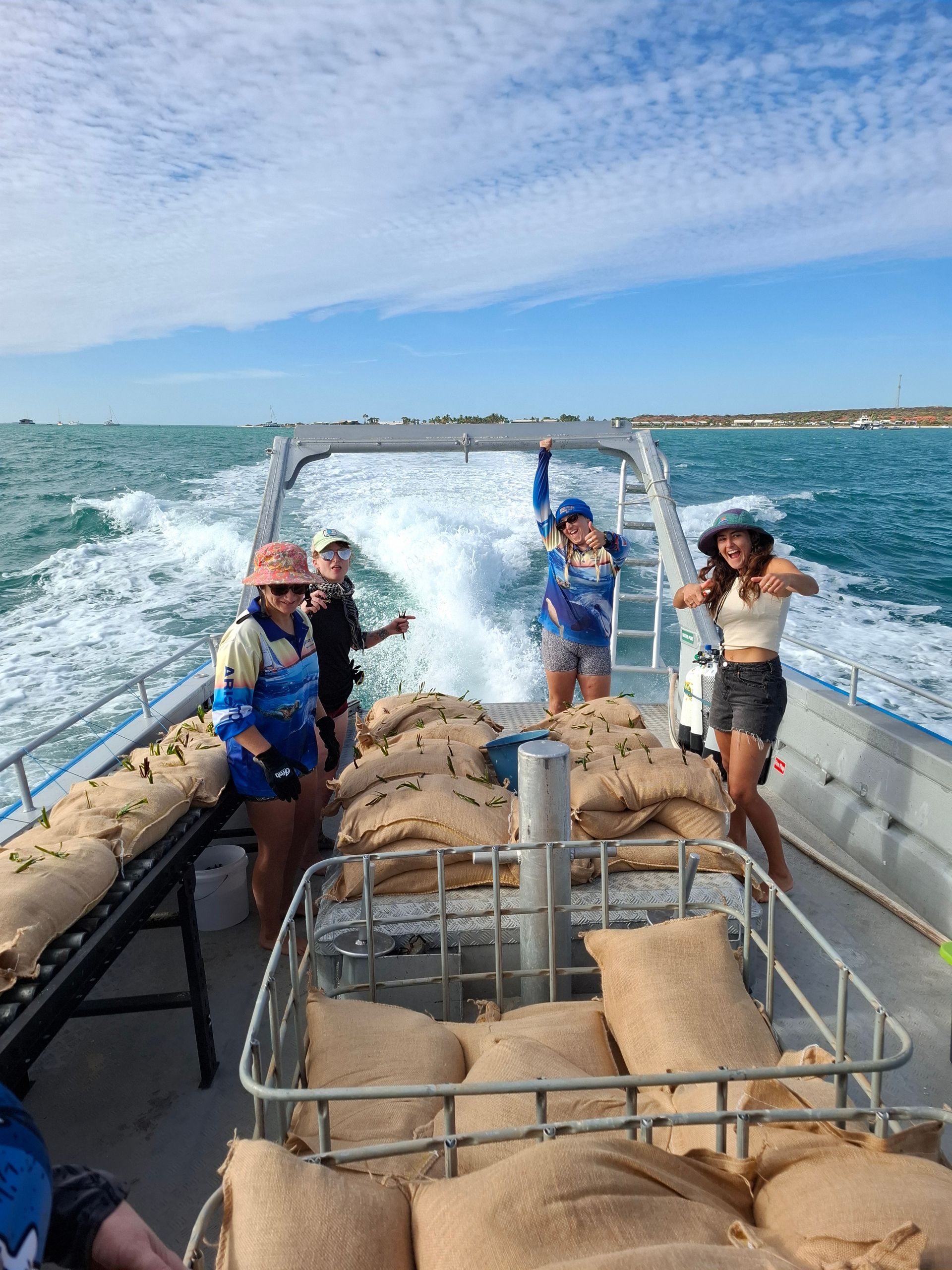
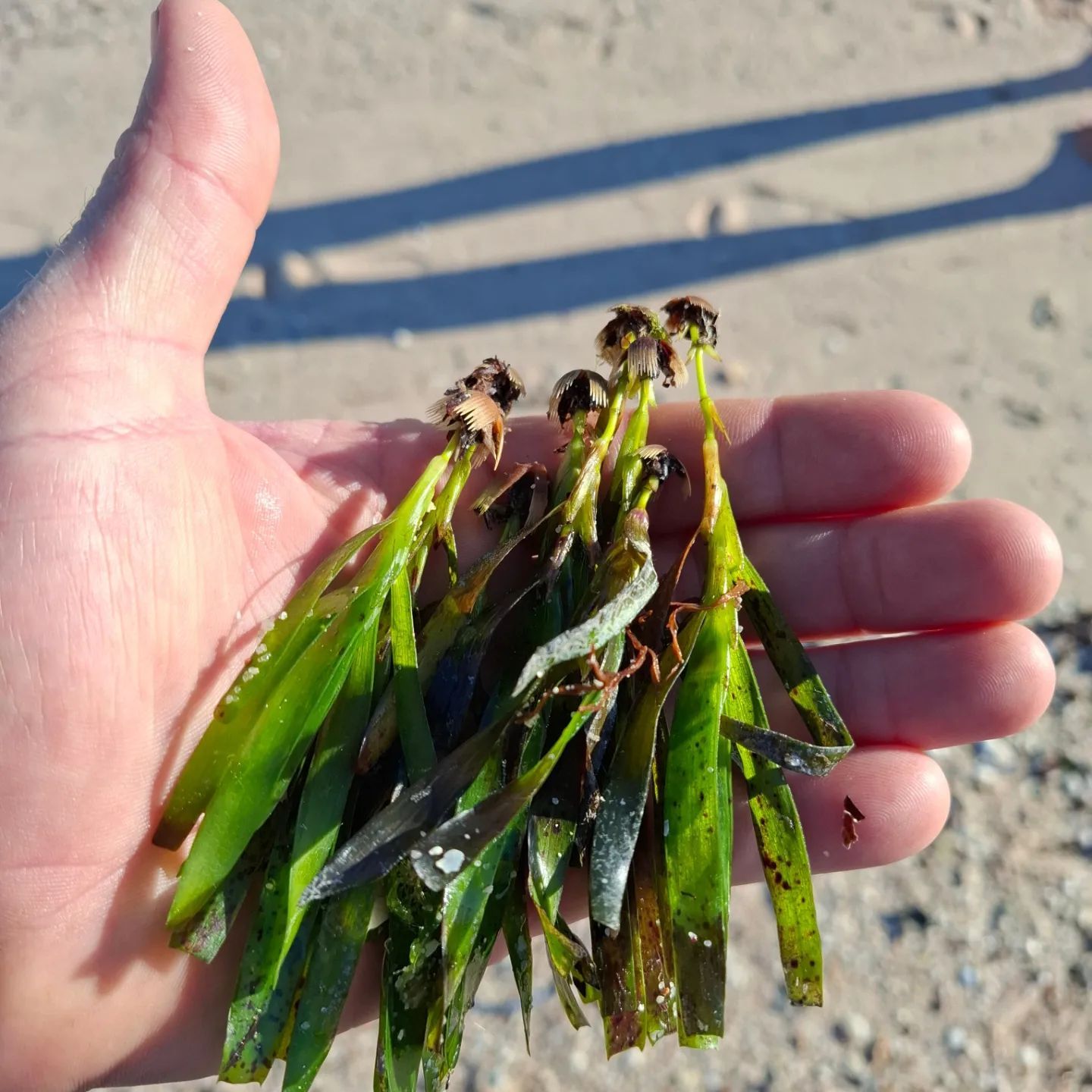
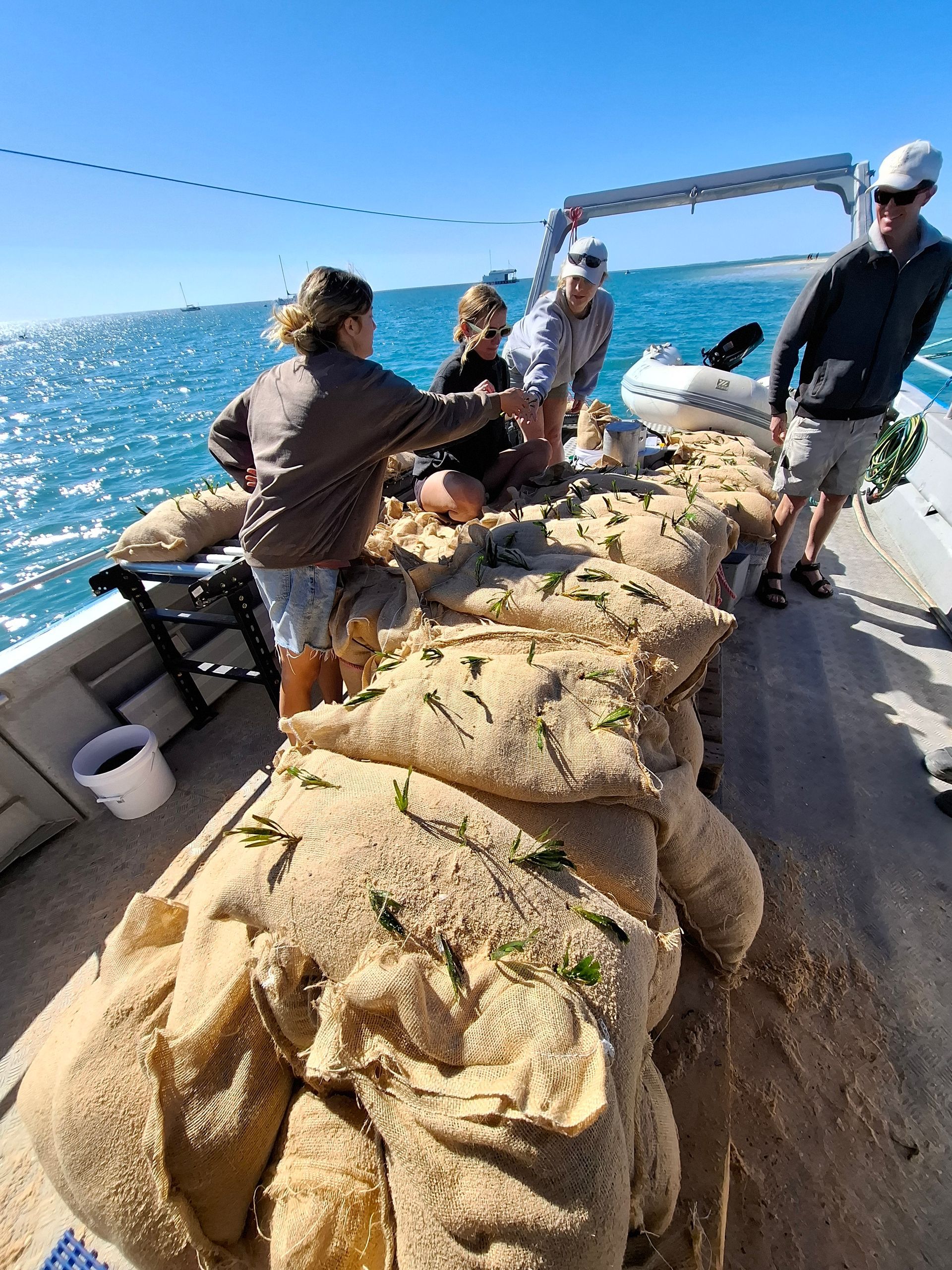
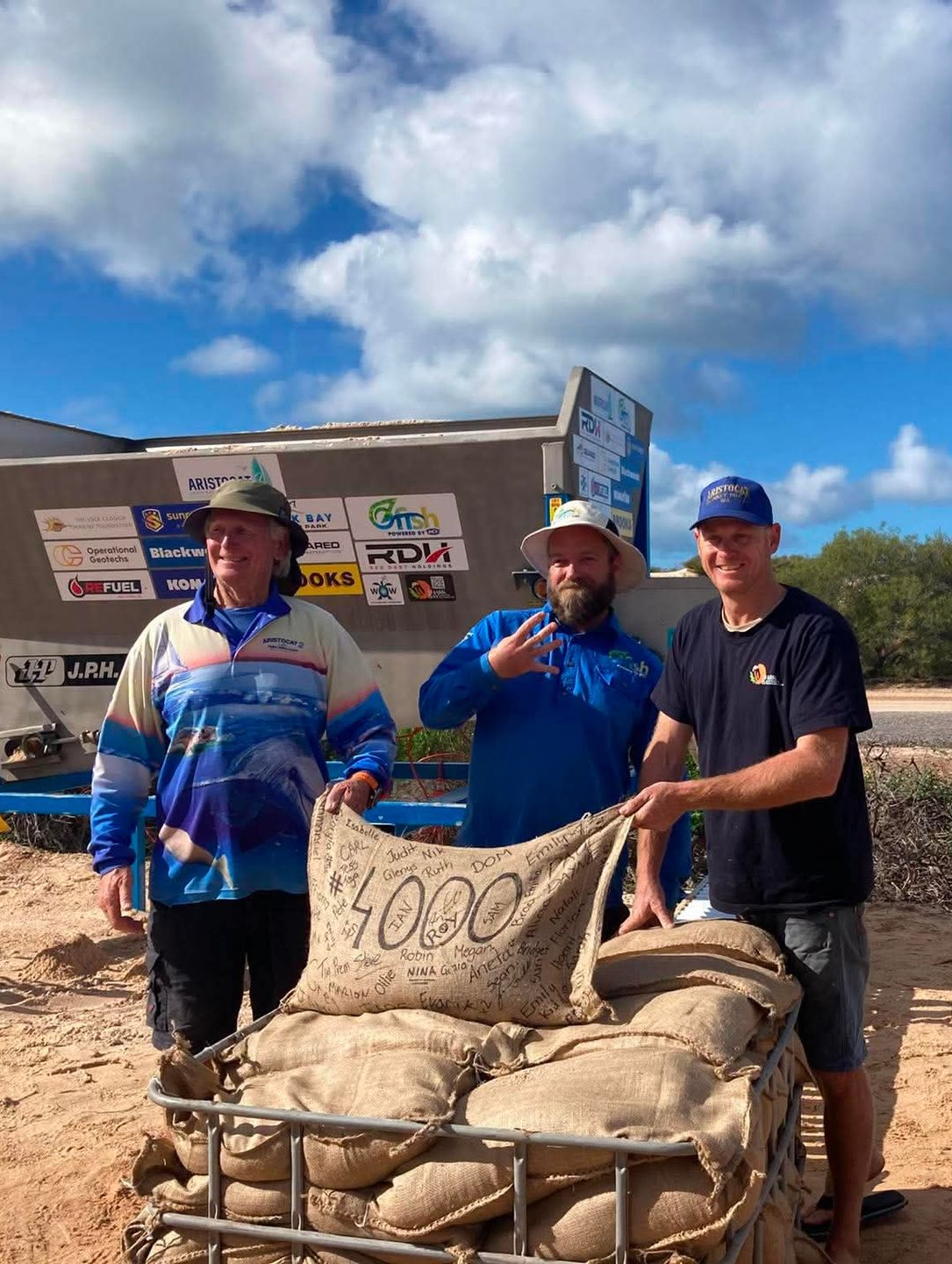
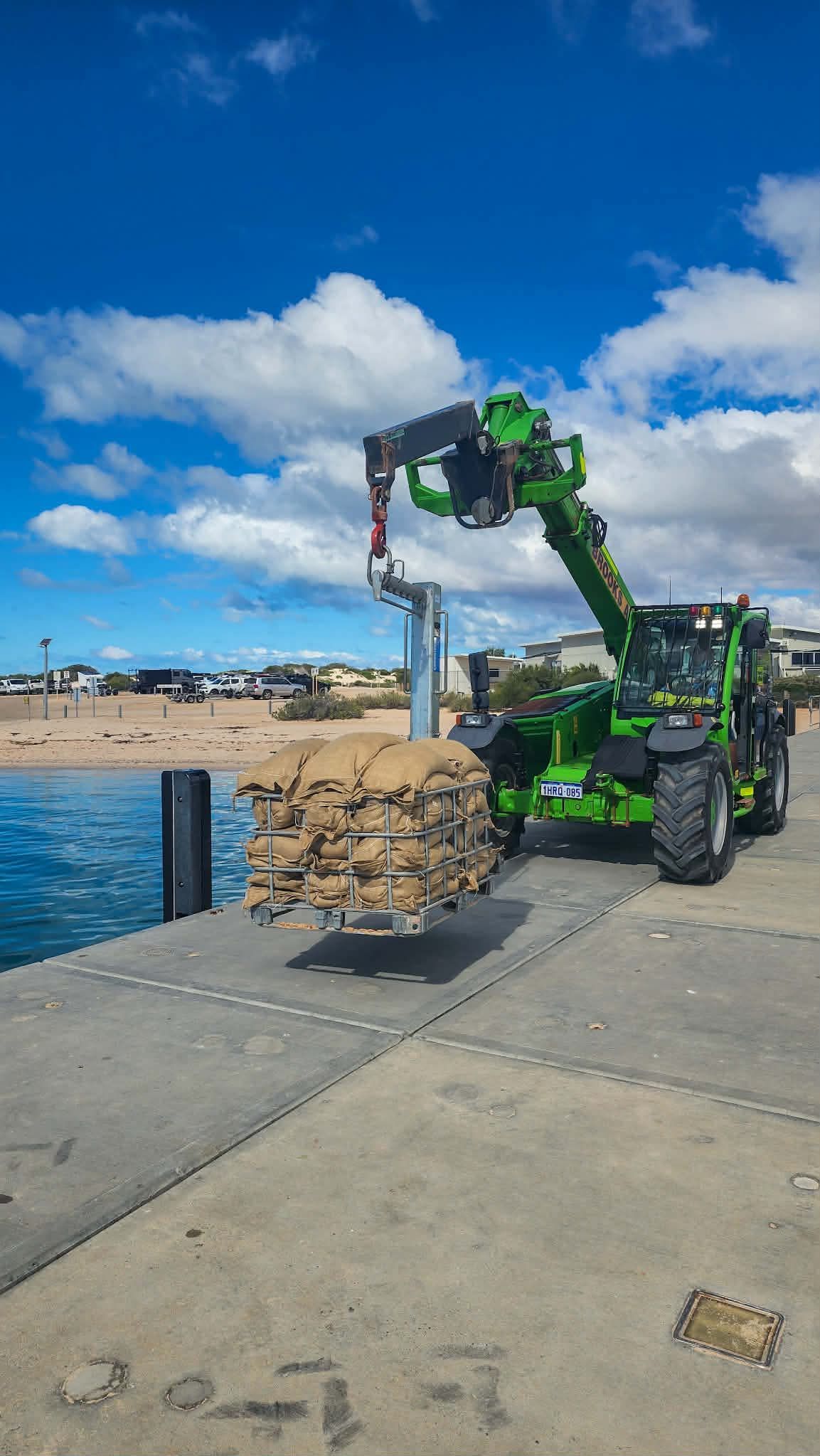
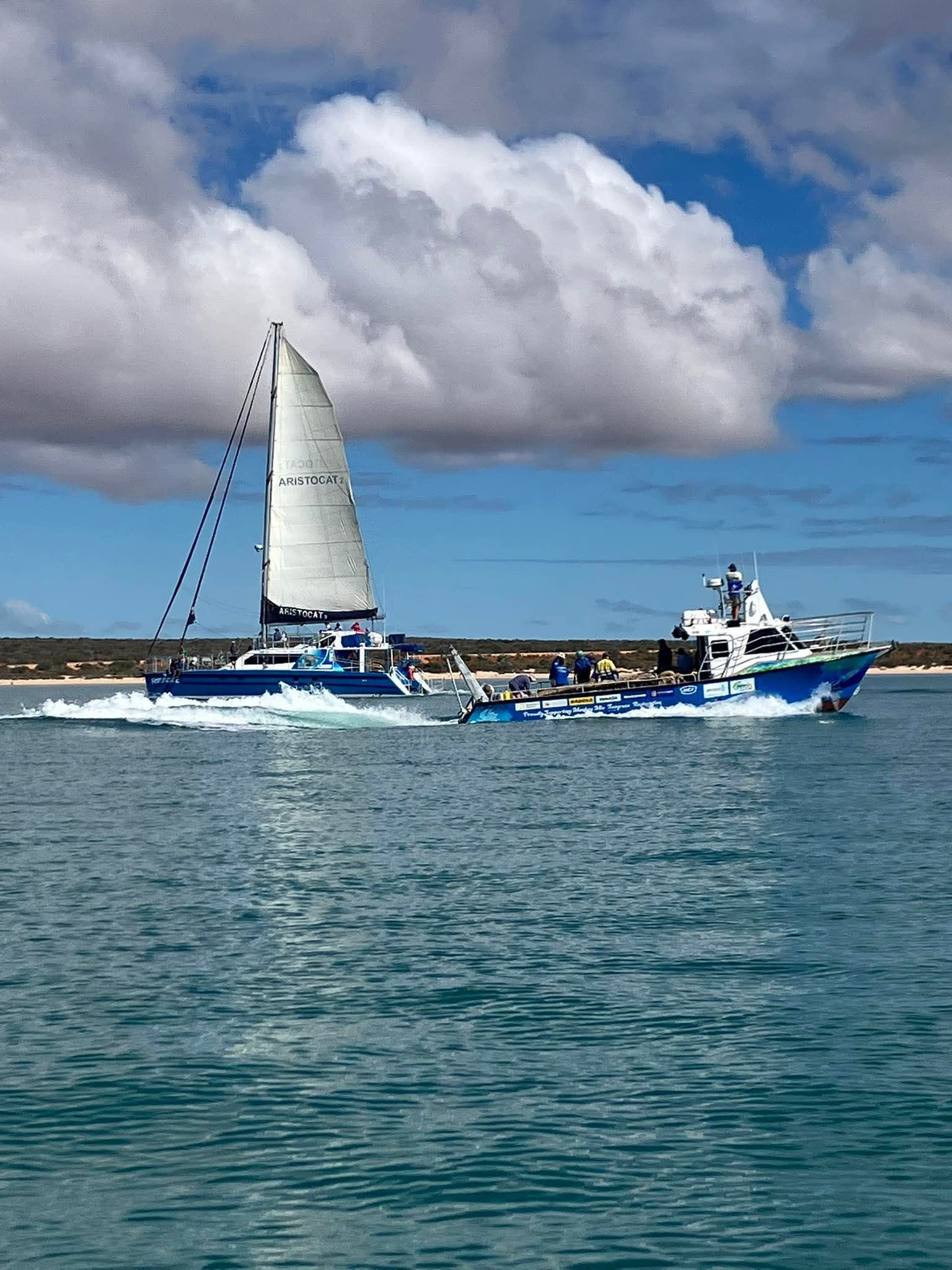
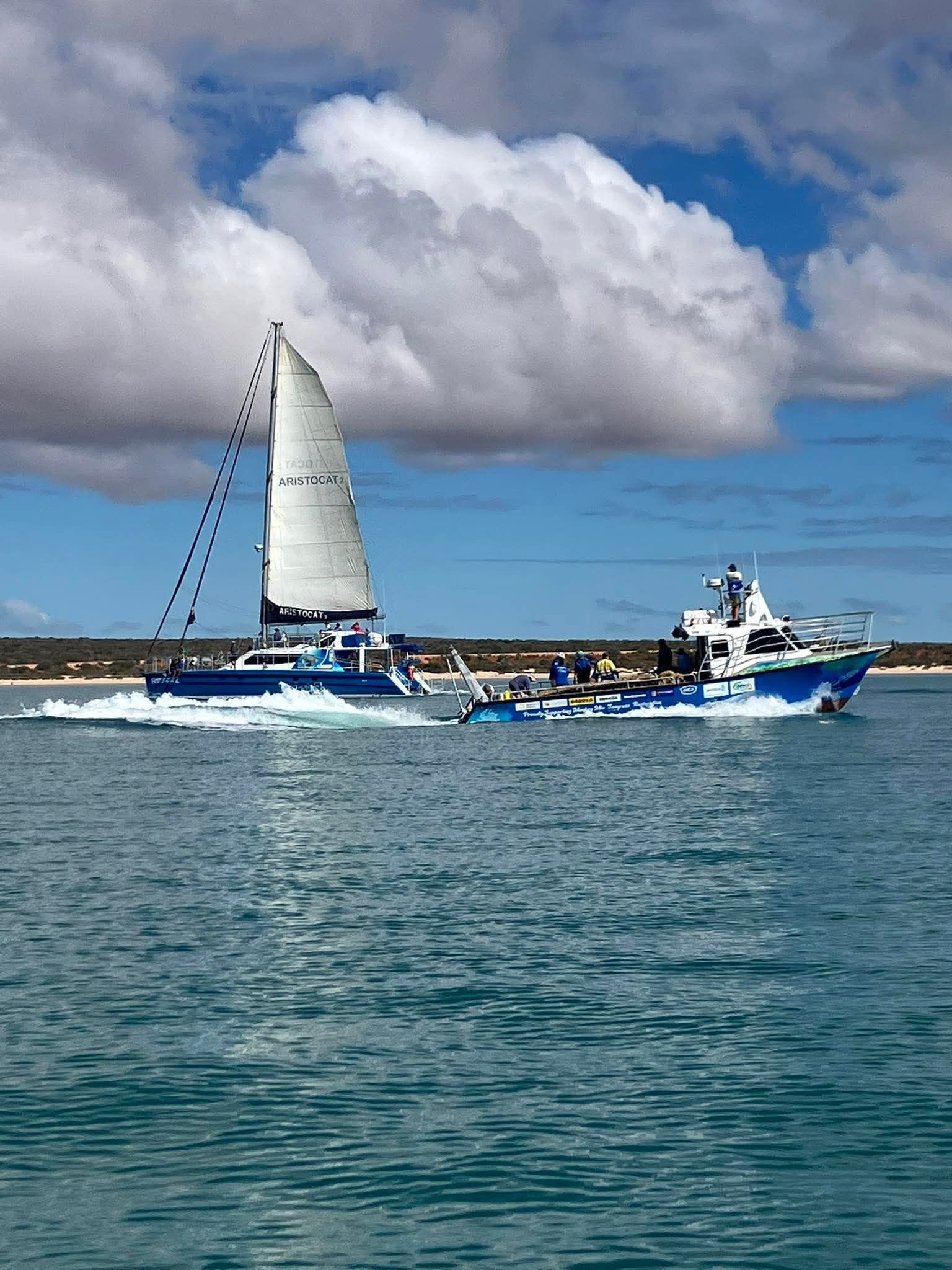
This year, volunteers helped restore a further 4 hectares of seagrass habitat by filling, transporting and deploying approximately 4,000 biodegradable jute/hessian sandbags. These bags were planted with around 32,000 beach-cast Amphibolis antarctica seedlings, which were rescued from local beaches before they dried out and perished.
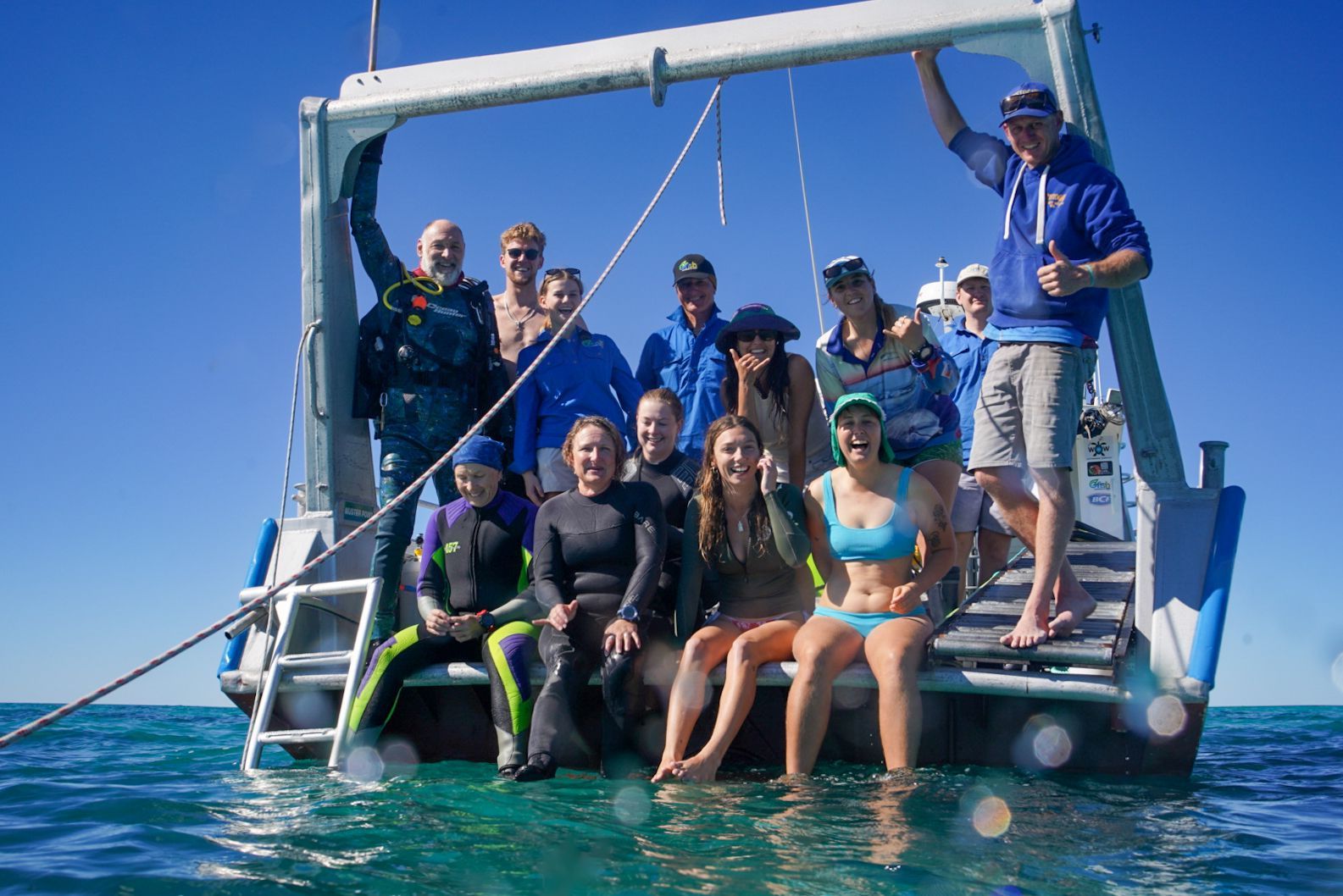
More than 80 volunteers contributed across approximately 30 days of field work, providing around 1,800 volunteer hours. Volunteers manually handled approximately 96 tonnes of sand throughout the project.
A major improvement to the 2026 restoration was the addition of our
floating seedling storage facility, believed to be the first floating seagrass seedling nursery of its kind in WA. This facility allowed collected seedlings to be kept alive and healthy while awaiting planting and translocation, improving the efficiency of seedling collection and supporting better restoration outcomes.

The 2026 restoration has now been completed, with key outcomes including:
- 4 hectares of seagrass restoration installed in 2026.
- Approximately 4,000 biodegradable jute/hessian sandbags deployed.
- Around 32,000 beach-cast Amphibolis antarctica seedlings rescued and planted.
- Approximately 96 tonnes of sand manually handled through the project.
- More than 80 volunteers involved.
- Approximately 1,800 volunteer hours contributed.
- Around 30 days of field work.
- The project has now reached approximately 11 hectares of active restoration sites to date.
- The 2025 restoration results recorded approximately 40% seedling survival, which is an outstanding result.
- UWA will continue to carry out quarterly monitoring of the restoration sites.
- The 2026 restoration was made more efficient by the addition of our floating seedling storage facility, believed to be the first floating seagrass seedling nursery of its kind in WA.
- Thanks to stabilising the seabed in the restoration areas, monitoring has found up to four species of seagrass growing together within one square metre of the sites.

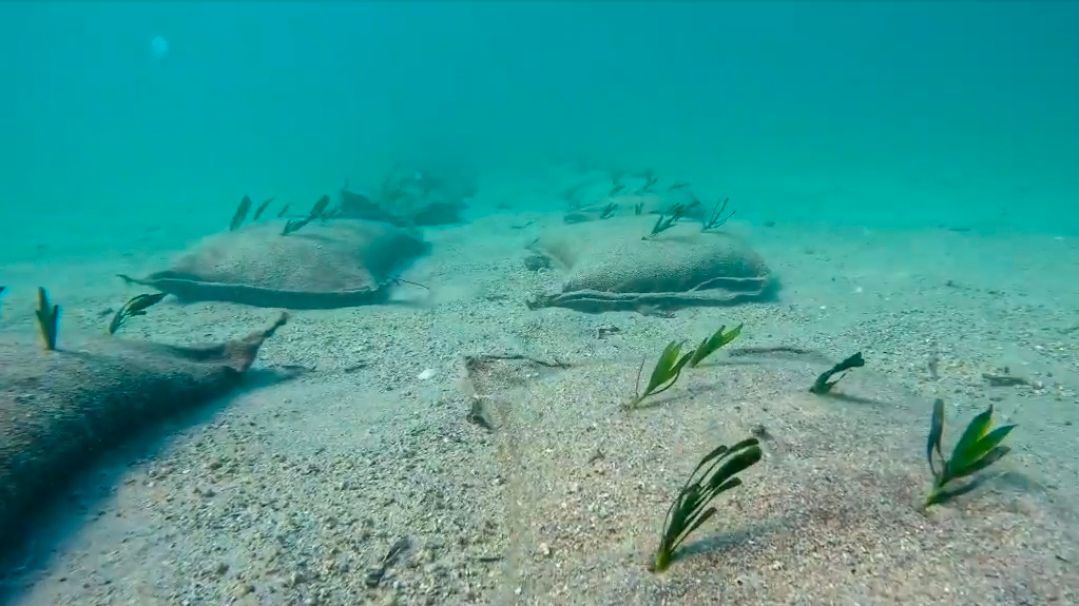
Monitoring from the 2025 restoration has recorded approximately 40% seedling survival, an outstanding result that continues to demonstrate the success of the project’s community-led restoration methods. Photos showing singular surviving seedlings with degraded bags around them are from the 2025 restoration, showing seedlings surviving through as the bags naturally break down.
In addition to the survival of planted Amphibolis antarctica seedlings, the stabilisation of the seabed has also encouraged broader seagrass recovery. In some 2026 restoration sites, up to four species of seagrass have been found growing together within one square metre, showing that the sandbags are helping create conditions for natural recruitment and ecosystem recovery.

The University of Western Australia will continue to carry out quarterly monitoring of the restoration sites, helping guide future improvements and long-term recovery outcomes.
We are now working towards beginning Posidonia australis restoration on the Denham side of the peninsula, while also working towards our goal of restoring a further 8 hectares of seagrass at Monkey Mia in 2027.
A huge thank you goes to every volunteer, community member, donor, business and supporter who helped make the 2026 restoration possible.